Appel à contributions pour une journée d’étude :
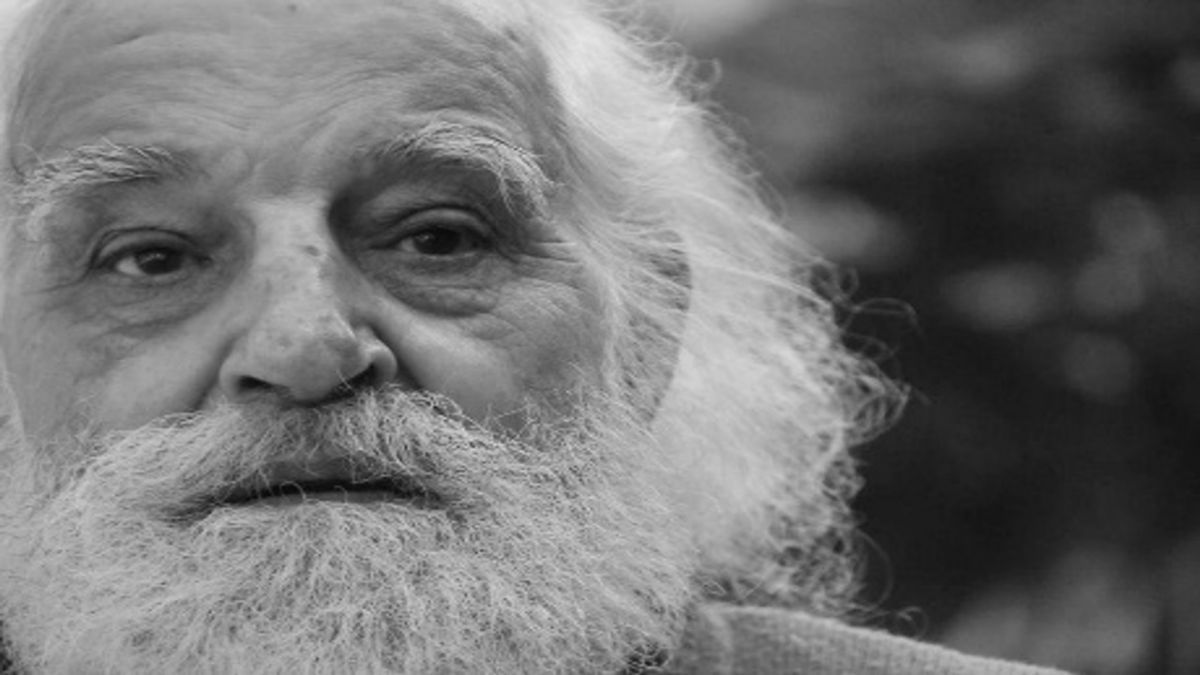
Morice Awwad. Poésie, langue et culture libanaise
Organisée par la Chaire Morice Awwad
Beyrouth, le 20 février 2026
La Chaire Morice Awwad invite les chercheurs et académiques à explorer son œuvre où se conjuguent identité, révolte et vision. Awwad a su forger une esthétique proprement libanaise, articulant l’héritage culturel aux défis d’une modernité marquée par la fragmentation. En revendiquant la singularité du « libanais » comme langue de création, il élabore un mode d'être qui oscille entre appartenance locale et ouverture universelle.
—
Dans un pays où la pluralité linguistique, la diversité confessionnelle et la stratification historique composent un tissu identitaire complexe, la poésie devient un lieu de résistance, de reconfiguration, de conflit et de réconciliation. Dans ce cadre, la poésie de Morice Awwad (1934-2018) occupe une place singulière dans la littérature libanaise contemporaine. À la fois innovative et résolument tournée vers l’avenir, son œuvre se distingue par une langue poétique dense, audacieuse et profondément inventive, où se conjuguent identité, révolte, mémoire et vision. Awwad a su forger une esthétique proprement libanaise, articulant l’héritage culturel du Liban et les défis d’une modernité marquée par la fragmentation, la guerre et l’exil. Par son écriture, Awwad, interroge les frontières de la langue arabe et de l’identité. Il revendique la singularité linguistique du Liban et élabore ce que plusieurs critiques nomment désormais la langue libanaise : un mode d’être, de dire et d’habiter la langue, s’inscrivant dans une tension fertile entre appartenance locale et ouverture universelle. Cette journée d’étude propose d’analyser la poésie de Morice Awwad à travers le prisme de la langue, en interrogeant la manière dont sa poésie reflète, construit ou déconstruit l’identité culturelle libanaise. Comment Awwad mobilise-t-il l’histoire, le mythe, les langues et les paysages pour produire une poétique originale ? Quelle place accorde-t-il à la révolte, au choix linguistique, à la mémoire de la guerre, ou encore aux rapports entre individu et communauté? Et en quoi sa poésie participe-t-elle à repenser les fondements culturels du Liban? Au-delà de la célébration d’un poète majeur, cette journée d’étude vise à ouvrir un espace critique de dialogue entre linguistes, littéraires, historiens, philosophes, ainsi qu’entre étudiant·e·s et chercheur·e·s, afin de contribuer à la redécouverte d’une œuvre essentielle et à la réflexion sur les enjeux identitaires de la littérature libanaise.
En quoi la poésie de Morice Awwad constitue-t-elle une élaboration esthétique et idéologique du libanisme, et comment cette poétique permet-elle de repenser l’identité et la culture libanaises à travers les tensions entre langue, territoire, mémoire et modernité ?
Axes de réflexion possibles
1. La langue libanaise comme choix linguistique et acte identitaire
Hybridation de la langue arabe.
Réinvention de la syntaxe et valorisation de spécificités libanaises.
Rapport entre langue et souveraineté culturelle.
2. Le dialogue entre tradition et modernité
Entre ancrage local et aspiration universelle.
Influence de la philosophie, des mythes grecs (Dionysos, Apollon, Orphée).
Modalités de participation
Date limite de soumission : 20 Janvier 2026.
Format : Un résumé (abstract) de 300 à 500 mots, accompagné d’une courte bio-bibliographie.
Langues de communication : Français, anglais et Arabe.
Envoi des propositions : CHMA@usj.edu.lb
—
Comité scientifique
Tony Kahwaji
Joseph Chahda
Arkadiusz Plonka
Anwar Zenati
Desiré Saccal
Hiba El Achkar
Habib Younes
Melkar El Khoury
Nada Mouawad
—
دعوة للمشاركة
ندوةٌ دراسيّةٌ – موريس عوّاد: الشِّعرُ واللُّغَةُ والثقافةُ اللُّبنانيّةُ
تنظيمُ «كرسيِّ موريس عوّاد» - 20 شباط 2026
يتشرّفُ «كرسيّ موريس عوّاد» بدعوةِ الباحثينَ والأكاديميّينَ إلى استكشافِ نتاجِه الأدبيّ، الذي تتلاقى فيه الهويّةُ والتمرّدُ والرؤيةُ. فقد استطاعَ عوّاد أن يصوغَ جماليّةً لبنانيّةً بامتيازٍ، رابطًا التراثَ الثقافيَّ بتحدّياتِ حداثةٍ طبعتْها التشرذُماتُ. ومن خلالِ تأكيدِه خصوصيّةَ «اللُّبنانيّة» بوصفِها لغةً للإبداعِ، تمكّنَ من بلورةِ نمطِ وجودٍ يترجّحُ بين الانتماءِ المحلّيّ والانفتاحِ العالميِّ الشاملِ.
المناقشة
في بلدٍ تتداخلُ التعدّديّةُ اللغويّةُ والتنوّعُ الطائفيّ والتراكمُ التاريخيّ في تكوينِ نسيجٍ ثقافيٍّ مُعقَّدٍ، يتحوّلُ الشِّعرُ إلى مساحةٍ للمقاومةِ، ولإعادةِ تشكيلِ السياقاتِ والسرديّاتِ، وللصراعِ والمصالحةِ. وفي هذا السياقِ، يحتلُّ شعرُ موريس عوّاد (1934–2018) مكانةً فريدةً في الأدبِ اللُّبنانيِّ المعاصرِ. فأعمالُه، التي تجمعُ بين الابتكارِ والتوجّهِ بعزمٍ نحو المستقبلِ، تتميّزُ بلغةٍ شعريّةٍ كثيفةٍ وجريئةٍ وعميقةِ الابتكارِ، حيث تتلاقى الهويّةُ والتمرّدُ والذاكرةُ والرؤيةُ. وتعكسُ أعمالُ عوّاد نجاحَه في صَوغ رؤيةٍ جماليّةٍ لبنانيّةٍ خاصّةٍ، تربطُ بين التراثِ الثقافيِّ اللُّبنانيّ وتحدّياتِ حداثةٍ انطبعتْ بالتفتّتِ والحربِ والمنفى. يُحاكمُ عوّاد، عبر كتابتِه، حدودَ اللُّغةِ العربيّةِ والهويّةِ، ويؤكّدُ التفرُّدَ اللغويَّ اللُّبنانيَّ، ويبني ما اصطلحَ النقّادُ اليومَ على تسميتِه «اللُّغة اللُّبنانيّة»: هو نمط من الوجودِ والقولِ والسُّكنى في اللُّغةِ، ينخرطُ في تناقضٍ مُثمرٍ بين الانتماءِ المحلّيّ والانفتاحِ العالميِّ.
تقترحُ ورشةُ العملِ الدراسيّةُ تحليلًا لشعرِ موريس عوّاد من منظورِ اللُّغةِ، مع استعراضِ أسلوبِه الشِّعريّ في تظهيرِ الهويّةِ الثقافيّةِ اللُّبنانيّةِ أو بنائِها أو تفكيكِها، وفي بيانِ كيفيّةِ استخدامِه التاريخَ والأسطورةَ واللُّغاتِ والمناظرَ لإنتاجِ أسلوبٍ شِعريٍّ مُبتكَرٍ. أيّ مكانةٍ يخصّصُها للتمرّدِ، والاختيارِ اللغويّ، وذاكرةِ الحربِ، أو للعلاقاتِ بين الفردِ والمجتمعِ؟ وكيف يُسهمُ شعرُه في إعادةِ التفكيرِ في الأسسِ الثقافيّةِ للبنان؟
وإلى جانبِ الاحتفاءِ بشاعرٍ كبيرٍ، تهدفُ ورشةُ العملِ الدراسيّةُ إلى فتحِ بابِ النقاشِ النقديّ بين اللغويّينَ والأدباءِ والمؤرّخينَ والفلاسفةِ، وبين الطالباتِ والطلّابِ والباحثاتِ والباحثينَ، للإسهام في إعادةِ اكتشافِ عملٍ أساسيٍّ، وللتأمّلِ في قضايا الهويّةِ في الأدبِ اللُّبنانيِّ.
الإشكاليّةُ المُقترَحَةُ
كيف تُشكِّلُ شِعريّةُ موريس عوّاد بلورةً جماليّةً وفكريّةً لـ«اللَّبنَنة»؟ وكيف تُتيحُ هذه البنى الشِّعريّةُ إعادةَ النظرِ في الهويّةِ والثقافةِ اللُّبنانيّةِ عبر التوتّراتِ القائمةِ بين اللُّغةِ، والأرضِ، والذاكرةِ، والحداثةِ؟
محاورُ البحثِ
1. اللُّغةُ اللُّبنانيّةُ بوصفها اختيارًا لغويًّا وفعلًا هويّاتيًّا
تهجينُ اللُّغةِ العربيّةِ.
إعادةُ اختراعِ النحوِ وتثمينُ الخصوصيّاتِ اللُّبنانيّةِ.
العلاقةُ بين اللُّغةِ والسيادةِ الثقافيّةِ.
2. الحوارُ بين التقليدِ والحداثةِ
بين التجذُّرِ المحلّيّ والطموحِ نحو العُلا.
تأثيرُ الفلسفةِ والأساطيرِ اليونانيّةِ (ديونيسوس، أبولو، أورفيوس).
آليّة المشاركةِ وشروطها
الفئاتُ المستهدفةُ: اللغويّونَ، والأدباءُ، والمؤرّخونَ، والفلاسفةُ، وطلّابُ الدكتوراه، والباحثونَ.
آخرُ موعدٍ لتقديمِ المقترحاتِ 20 كانون الثاني 2026.
طبيعةُ المشاركةِ: ملخّصٌ (Abstract) يتراوحُ بين 300 و500 كلمة، مرفقًا بسيرةٍ ذاتيّةٍ ومهنيّةٍ موجزةٍ (Bio-bibliographie).
لغاتُ الندوةِ: العربيّةُ، والفرنسيّةُ، والإنكليزيّةُ.
تُرسَلُ المقترحاتُ إلى البريدِ الإلكترونيّ: CHMA@usj.edu.lb.
اللّجنةُ العِلميّةُ
طوني القهوجي، جوزيف شهدا، ديزيريه سقّال، أنور زنّاتي، أركاديوس بلونكا، هبة الأشقر، حبيب يونس ملكار الخوري، ندى معوّض.
Call for Papers
“Morice Awwad: Poetry, Language, and Lebanese Culture”
Organized by the Morice Awwad Chair
20 February 2026
Morice Awwad Chair invites scholars and researchers to explore the work of Morice Awwad (1934–2018), a major figure in contemporary Lebanese poetry. Awwad forged a distinctly Lebanese aesthetic by articulating cultural heritage with the challenges of modernity—marked by fragmentation, war, exile, and linguistic tension. By asserting the singularity of “Lebanese” as a language of poetic creation, he developed a mode of being and expression situated between strong local belonging and openness to the universal.
In a country shaped by linguistic plurality, confessional diversity, and layered historical experiences, poetry emerges as a space of resistance, negotiation, conflict, and reconciliation. Within this context, Morice Awwad’s poetry occupies a unique position in Lebanese literature. Both innovative and forward-looking, his work is distinguished by a dense, bold, and highly inventive poetic language that intertwines identity, memory, revolt, and vision.
Awwad’s writing challenges the boundaries of Arabic and interrogates the very foundations of linguistic and cultural identity. By reclaiming Lebanon’s linguistic specificity, he contributes to what many critics now describe as “the Lebanese language”—not merely a dialect, but a poetic and existential stance: a way of inhabiting language that operates within a fertile tension between the local and the universal.
This study day proposes to examine Morice Awwad’s poetry through the prism of language, focusing on how his poetic practice reflects, constructs, and deconstructs Lebanese cultural identity. How does Awwad mobilize history, myth, landscape, and multilingualism to produce an original poetics? What role do revolt, linguistic choice, war memory, and the relationship between the individual and the community play in his work? And how does his poetry contribute to rethinking the cultural foundations of Lebanon?
Beyond celebrating a major poet, this event aims to foster a critical and interdisciplinary dialogue among linguists, literary scholars, historians, philosophers, as well as doctoral students and researchers, in order to contribute to the renewed study of Awwad’s work and to broader reflections on identity and culture in Lebanese literature.
Proposed Research Question
To what extent does Morice Awwad’s poetry constitute an aesthetic and ideological elaboration of Lebanonism, and how does this poetics enable a rethinking of Lebanese identity and culture through the tensions between language, territory, memory, and modernity?
Possible Thematic Axes
1. Lebanese Language as a Linguistic Choice and an Act of Identity
Hybridization of Arabic
Reinvention of syntax and valorization of Lebanese specificities
Language and cultural sovereignty
2. Dialogue between Tradition and Modernity
Local rootedness and universal aspiration
Philosophical dimensions and mythological influences (Dionysus, Apollo, Orpheus)
Submission Guidelines
Target audience: Linguists, literary scholars, historians, philosophers, doctoral candidates, and researchers
Submission deadline: 20 January 2026
Format: Abstract of 300–500 words, accompanied by a short bio-bibliography
Languages: French, English, Arabic
Submission address: CHMA@usj.edu.lb
Scientific Committee
Tony Kahwaji
Joseph Chahda
Arkadiusz Plonka
Anwar Zenati
Desiré Saccal
Hiba El Achkar
Habib Younes
Melkar El Khoury
Nada Mouawad