Fabula, la recherche en littérature (actu)

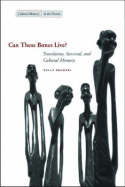
Can These Bones Live?: Translation, Survival, and Cultural Memory

Parution livre

Information publiée le lundi 2 avril 2007 par Alexandre Gefen


_blank

Can These Bones Live?: Translation, Survival, and Cultural Memory Translation
Brodzki, Bella.
ISBN: 0804755418
Hardback
Stanford University Press
 
Long Description "Can These Bones Live?" views translation as a process at the core of all important cultural transactions rather than a mere utilitarian means of converting the terms of one language into another. Brodzki considers a wide array of canonical and lesser-known fictional and autobiographical works by authors from North America, Europe, and Africa - including Italo Calvino, Jorge Semprun, Buchi Emecheta, and Philip Roth - that foreground translation as both narrative theme, figurative device, and textual strategy. The first part of the book examines translation as a mode of literary renewal by focusing on depictions of the translator as a figure in contemporary literature and by showing how the slave narrative genre can be read through the prism of intercultural translation. The second part of the book examines the role of translation in intergenerational transmission. By linking that process to remembrance and mourning in texts shaped by the experience of catastrophe, Brodzki demonstrates how translation ensures the afterlife of individual texts and cultural narratives across time and space.

 
Promotional Bella Brodzki is Professor of Comparative Literature at Sarah Lawrence College. She is the co-editor of Life Lines: Theorizing Women's Autobiography (1988).


Derniers ouvrages parus :

Le Dit des Heiké

S. Kierkegaard, La Crise et une crise dans la vie d'une actrice

E. Maigret et M. Stefanelli (dir.), La Bande dessinée : une médiaculture

I. Raynauld, Lire et écrire un scénario - Le Scénario de film comme texte

J.-F. Bédia, Les Ecritures africaines face à la logique actuelle du comparatisme

Eusèbe de Césarée, Histoire ecclésiastique. Commentaire - Tome I : Études d'introduction

P. Engel, Les lois de l'esprit, Julien Benda ou la raison  

P. E. Fobah, Introduction à une poétique et une stylistique de la littérature africaine

M.-C. Alexandrine-Sinapah, Itinéraire d'un esclave-poète à Cuba - Juan Francisco Manzano (1797-1854) entre littérature et histoire

Cl. Launchbury, Music, Poetry, Propaganda. Constructing French Cultural Soundscapes at the BBC during the Second World War 

O. Rosenthal, Ils ne sont pour rien dans mes larmes

A. Alciato, Il libro degli Emblemi, secondo le edizioni del 1531 e del 1534

Marc Azéma, La Préhistoire du cinéma

J. Milly, Au seuil de l'image

I. Mons, Lou Andreas-Salomé. En toute liberté

N. Redouane, Lecture(s) de Rachid Mimouni

Chr. Martin (dir.), Fictions de l'origine (1650-1800)

D. Brooks, The Sons of Clovis : Ern Malley, Adoré Floupette and a Secret History of Australian Poetry

Jean Richepin, Truandailles

C. Meyer-Plantureux, Romain Rolland - Théâtre et engagement

C. Aliberti, Du spasme existentiel à la quête de rédemption

M. Kadima-Nzuji, Théâtre et destin national au Congo-Kinshasa - 1965-1990

Jean-Yves Tadié, Le lac inconnu - Entre Proust et Freud

N. Frogneux (dir)., J. Patocka. Liberté, existence et monde commun

Verlaine, Romances sans paroles (éd. Arnaud Bernadet)

Fil d'informations RSS Fil d'information RSS   Fabula sur Facebook Fabula sur Facebook   Fabula sur Twitter Fabula sur Twitter